
St Kitts – Nevis Plastic Ban
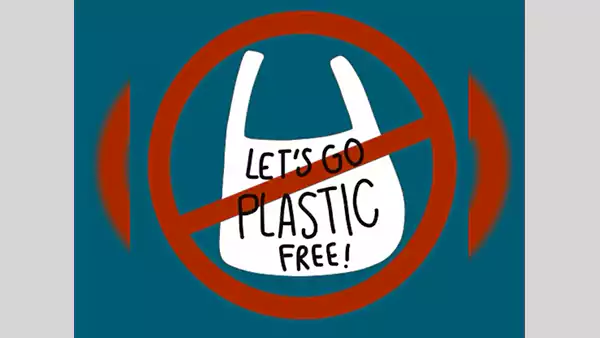
St. Kitts and Nevis is preparing to take a major step toward environmental sustainability with the implementation of a nationwide ban on single-use plastic bags. The policy was discussed publicly on November 27, 2024, during the final episode of the “In Focus” program for the season, where host Ian Richards engaged in an in-depth conversation with Hon. Dr. Joyelle Clarke and Sherilita “Shez” Dore-Tyson.
The ban is scheduled to take full effect on March 31, 2025, and is part of a broader government strategy to reduce plastic pollution, protect public health, and promote more sustainable consumption practices among residents and businesses.
Timeline for the Plastic Bag Ban
During the discussion, Dr. Clarke outlined the key milestones leading up to the ban. She confirmed that December 31, 2024, will be the final day for the importation of single-use plastic t-shirt bags into the Federation. After that date, no new plastic bags of this type will be allowed to enter the country.
By March 31, 2025, the distribution of single-use plastic bags will be fully prohibited. This phased approach is intended to give businesses and consumers sufficient time to prepare and transition to acceptable alternatives.
The Ministry has been working closely with several partners to ensure a smooth rollout, including:
- Customs and Excise officials
- The United Nations Resident Coordinator
- The Chamber of Industry and Commerce
- Major retailers and importers
These consultations have focused on identifying challenges, clarifying expectations, and developing concession arrangements to support the transition.
Transition to Sustainable Alternatives
Government officials have emphasized that the ban is not intended to disrupt commerce but to encourage a shift toward more sustainable practices. While biodegradable plastic alternatives have been considered, technical and environmental concerns have led the government to prioritize paper and reusable options.
Dr. Clarke highlighted the opportunity this transition presents for local entrepreneurs and creatives. She noted that residents and businesses can play a direct role by producing and promoting reusable bags made from cloth or other durable materials.
Many supermarkets have already begun offering reusable bags, making the transition less abrupt for consumers. The government has also signaled that businesses may choose to charge for plastic bags during the transition period, similar to practices in other countries, as a way to discourage single-use consumption.
Community and Business Engagement
Sherilita Dore-Tyson stressed that community engagement will be critical to the success of the ban. The Ministry is working with a wide range of stakeholders, including local manufacturers and regional partners, to explore practical alternatives to single-use plastics.
Collaboration is also underway with plastic producers in neighboring territories to support a shift away from traditional single-use plastics toward more environmentally responsible products.
The government has committed to working closely with small businesses to minimize the financial impact of the transition and to prevent unnecessary cost transfers to consumers. Incentives and concessions are expected to be announced during the national budget period.
Public Health and Environmental Concerns
The discussion also addressed the broader health and environmental risks associated with plastic pollution. Dr. Clarke pointed to growing global evidence linking microplastics to serious health concerns, including cancers and other diseases.
She also referenced the impact of plastic waste on marine life, including turtles and other species that are often harmed by discarded plastic bags and bottles. Local landfill data has revealed large accumulations of single-use plastics collected over recent years, underscoring the scale of the problem within the Federation.
Officials have framed the ban not simply as an environmental regulation, but as a public health measure aimed at safeguarding both people and ecosystems.
Education, Awareness, and Future Plans
In advance of the ban, the government plans to launch public education campaigns to explain the changes and encourage responsible behavior. These initiatives will focus on helping residents understand their role in reducing plastic waste and adopting reusable alternatives.
Businesses will also be encouraged to promote environmentally friendly products and practices, helping to reinforce a culture of sustainability across the Federation.
Government leaders have emphasized that meaningful change requires collective effort. Public participation, private sector cooperation, and consistent enforcement will all be essential in ensuring the success of the ban.
A Step Toward a Sustainable Future
The upcoming ban on single-use plastic bags represents a significant milestone in St. Kitts and Nevis’ environmental journey. By addressing plastic pollution through policy, education, and collaboration, the government aims to protect natural resources, improve public health, and preserve the islands’ beauty for future generations.
As March 31, 2025, approaches, the focus will remain on preparation, cooperation, and shared responsibility, guiding the Federation toward a cleaner, more sustainable future.