
St. Kitts and Nevis Commits to Preserving Its Natural Beauty and Cultural Heritage
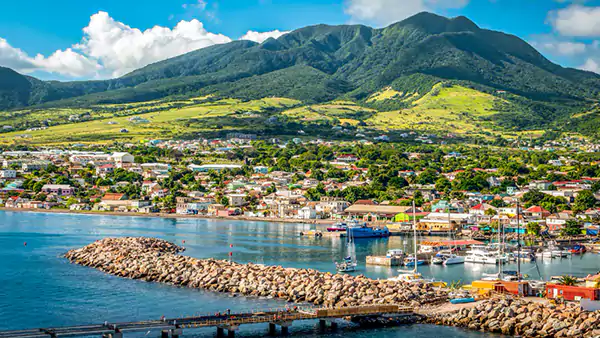
Many travelers first encounter St. Kitts and Nevis as a brief stop on a multi-country Caribbean cruise. While those short visits offer a glimpse of the islands, the Federation of St. Kitts and Nevis deserves deeper exploration. From lush mountain rainforests and white-sand beaches to well-preserved historic and cultural sites, the twin-island nation offers a rich and varied experience.
Today, St. Kitts and Nevis is working to establish itself as a destination travelers choose intentionally, not just as part of a broader itinerary. Central to that goal is a strong and growing commitment to sustainability, conservation, and responsible tourism development.
A National Focus on Sustainable Tourism
Tourism plays a vital role in the national economy, and leaders recognize that protecting natural and cultural assets is essential for long-term success. According to Marsha Henderson, Minister of Tourism, Civil Aviation, and Urban Development, sustainability is no longer optional.
As a tourism-dependent nation, St. Kitts and Nevis has emphasized the need to preserve its landscapes, heritage, and communities so both residents and visitors can continue to enjoy them for generations.
The country began formal sustainability efforts in 2013 by encouraging businesses to adopt environmentally responsible practices. These early initiatives evolved into a comprehensive sustainable development planning framework adopted in 2023 in collaboration with the United Nations.
The Vision of a Sustainable Island State
St. Kitts and Nevis now aims to become the world’s first Sustainable Island State. This vision prioritizes economic and social progress while maintaining a long-term commitment to environmental stewardship.
The framework focuses on several interconnected goals:
- Protecting natural ecosystems and biodiversity
- Promoting cultural heritage and education
- Encouraging responsible economic growth
- Supporting local communities and businesses
As a result, residents are seeing increased investment in renewable energy, eco-friendly infrastructure, and sustainable business practices. Travelers are also benefiting from expanded options for environmentally responsible accommodations and experiences.
Rewilding and Rainforest Protection
One of the most visible examples of sustainability in action is the re-wilding of former sugar plantations on St. Kitts. Commercial sugar production ended in 2005, allowing nature to reclaim large portions of the land.
Over time, vegetation spread naturally from the central rainforest into abandoned sugarcane fields. This process has expanded the rainforest, reinforcing the island’s ecological resilience. Importantly, legislation protecting the central mountain rainforests has been in place since 1904, safeguarding these areas from development.
The island’s steep terrain also supports rainforest growth, making large-scale cultivation and development impractical while encouraging natural regeneration.
Linking Tourism with Local Agriculture and Creativity
Sustainability efforts extend beyond conservation to include economic integration. The government is actively working to strengthen connections between tourism, agriculture, and the creative economy.
- Encouraging hotels and restaurants to source local produce
- Supporting souvenir manufacturing and creative industries
- Reducing reliance on imported goods
- Keeping tourism revenue within local communities
This approach helps reduce foreign exchange leakage while ensuring tourism benefits are shared more broadly across the federation.
Hotels Embracing Green Practices
Several hotels in St. Kitts and Nevis have begun adopting renewable energy and waste reduction strategies. Sunset Reef Resort offers a notable example of sustainability integrated from the ground up.
The resort features property-wide water filtration, reverse-osmosis drinking water systems in guest rooms, and the elimination of plastic bottles and straws. Native plants were incorporated into landscaping, and a geothermal air-conditioning system was installed to reduce energy consumption.
According to the resort’s leadership, sustainability is supported by both government policy and community values. Incentives are now available to resorts that incorporate renewable energy into new developments and renovations.
Sustainability as a Smart Business Strategy
Beyond environmental benefits, sustainability is increasingly viewed as a sound economic decision. Green investments often provide stronger long-term returns while reducing operational costs.
This perspective has encouraged tourism-related businesses to collaborate with the St. Kitts Sustainable Destination Council, a nonprofit advisory group composed of government and private-sector representatives.
Community Engagement Through Destination Guardians
The Sustainable Destination Council has trained more than 100 residents as Destination Guardians. These individuals participate in workshops focused on waste reduction, tourism management, and community development.
Guardians visit popular tourist sites to identify challenges and help develop responsible recovery and improvement plans that balance visitor access with conservation.
Preserving Culture Through Sustainable Tourism
Cultural preservation is another key pillar of sustainability. By partnering with local historian Leonard Stapleton, the council has launched workshops aimed at increasing awareness of St. Kitts and Nevis’s history and traditions.
These workshops allow tourism professionals and visitors to:
- Explore historic sites in Basseterre
- Learn about colonial-era architecture
- Experience traditional music and dance
- Understand local customs and childhood games
Reducing Energy Use and Plastic Waste
The federation has also invested in renewable energy and waste reduction initiatives. Streetlights and sports facility lighting are being converted to LED systems, significantly lowering energy consumption.
In 2024, parliament voted to ban single-use plastics. By the end of the year, Styrofoam containers, plastic straws, cups, plates, and utensils will be prohibited. Plastic bags will be banned by March 2025.
Some restaurants have already adopted alternatives such as reusable jars, biodegradable containers, paper straws, and banana leaves.
Building a Sustainable Future
While many of these initiatives are still developing, early results are encouraging. The combined efforts of government, businesses, and residents demonstrate a clear commitment to protecting natural resources while supporting economic growth.
St. Kitts and Nevis continues to show that sustainability, when thoughtfully implemented, can preserve beauty, strengthen communities, and create a more resilient tourism industry.